

Understanding Applied Behavior Analysis
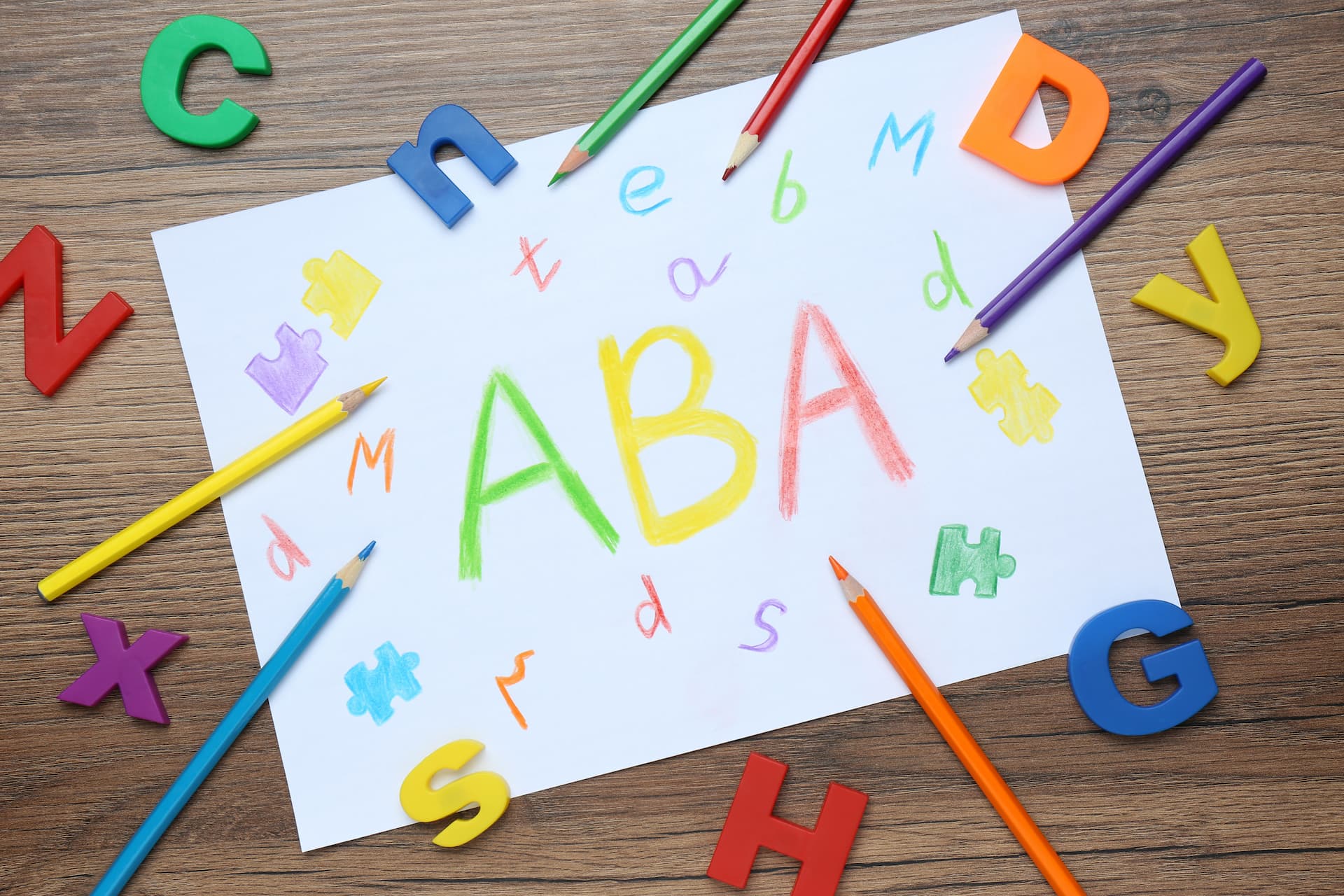
To understand what is applied behavior analysis, it helps to know that behavior can be observed and measured. Clinicians examine what happens before and after a behavior, then select individualized strategies based on assessment findings, needs, and meaningful family priorities.
Applied behavioral analysis uses data to measure progress and adjust strategies as a person learns. ABA behavior analysis may include positive reinforcement ABA techniques, which encourage useful skills by pairing learning with supportive consequences while respecting individual preferences and goals.

How Does ABA Therapy Work?
ABA therapy follows a structured, individualized process involving assessment, measurable goals, personalized teaching strategies, positive reinforcement, and ongoing progress monitoring. Our clinicians adjust treatment according to each child’s development, needs, and family priorities.

Step 1
ABA Assessment
For children who already have an autism diagnosis, we use ABA assessments to understand current abilities, support needs, and behavioral patterns. Testing may examine language, communication barriers, social and motor skills, visual perception, and family priorities. This is not an autism diagnostic evaluation.

Step 2
Individualized Goals
Assessment findings help our clinicians establish meaningful, measurable goals tailored to the child. Depending on individual needs, these may address communication, social engagement, play, daily living skills, learning readiness, functional independence, or emotional and behavioral regulation.

Step 3
Teaching and Positive Reinforcement
Our therapists break meaningful skills into manageable learning steps. When a child uses or develops a helpful skill, we may follow it with something personally motivating, encouraging learning without treating therapy as a rewards-for-compliance system.

Step 4
Measurement and Adjustment
We collect data during therapy, monitor progress, and clinically review how strategies are working. Goals and teaching methods may be adjusted based on the child’s development, observed needs, assessment results, and ongoing feedback from parents or caregivers.
What Are the Goals of ABA Therapy?
There is no universal list of ABA therapy goals. At BM Behavioral Center, we develop individualized goals based on each child’s current skills, support needs, personal priorities, and family circumstances. Our focus remains on meaningful, functional outcomes that can improve everyday participation and quality of life.
- Communication Skills: We support functional ways for children to express their needs, preferences, questions, and ideas. ABA therapy communication skills may include verbal language, gestures, pictures, or other appropriate communication methods.
- Social Skills: We develop ABA therapy social skills around each child’s goals and daily interactions, which may include taking turns, engaging in play, responding to others, or participating in group activities.
- Daily Living Skills: When clinically relevant, we may address age-appropriate routines involving dressing, personal hygiene, eating, organization, and other practical activities that support participation at home and in the community.
- Learning Skills: We may help children strengthen attention, follow routines, transition between activities, participate in learning tasks, and develop foundational abilities that support continued learning across different environments.
- Independence: We teach practical skills that can help children participate more independently in everyday routines while providing the individualized support they need throughout the learning process.
- Behavioral Support: We work to understand why clinically significant behaviors occur and, when appropriate, teach safer, more functional ways to communicate needs, manage situations, or respond to the environment.
Examples of ABA Therapy Techniques
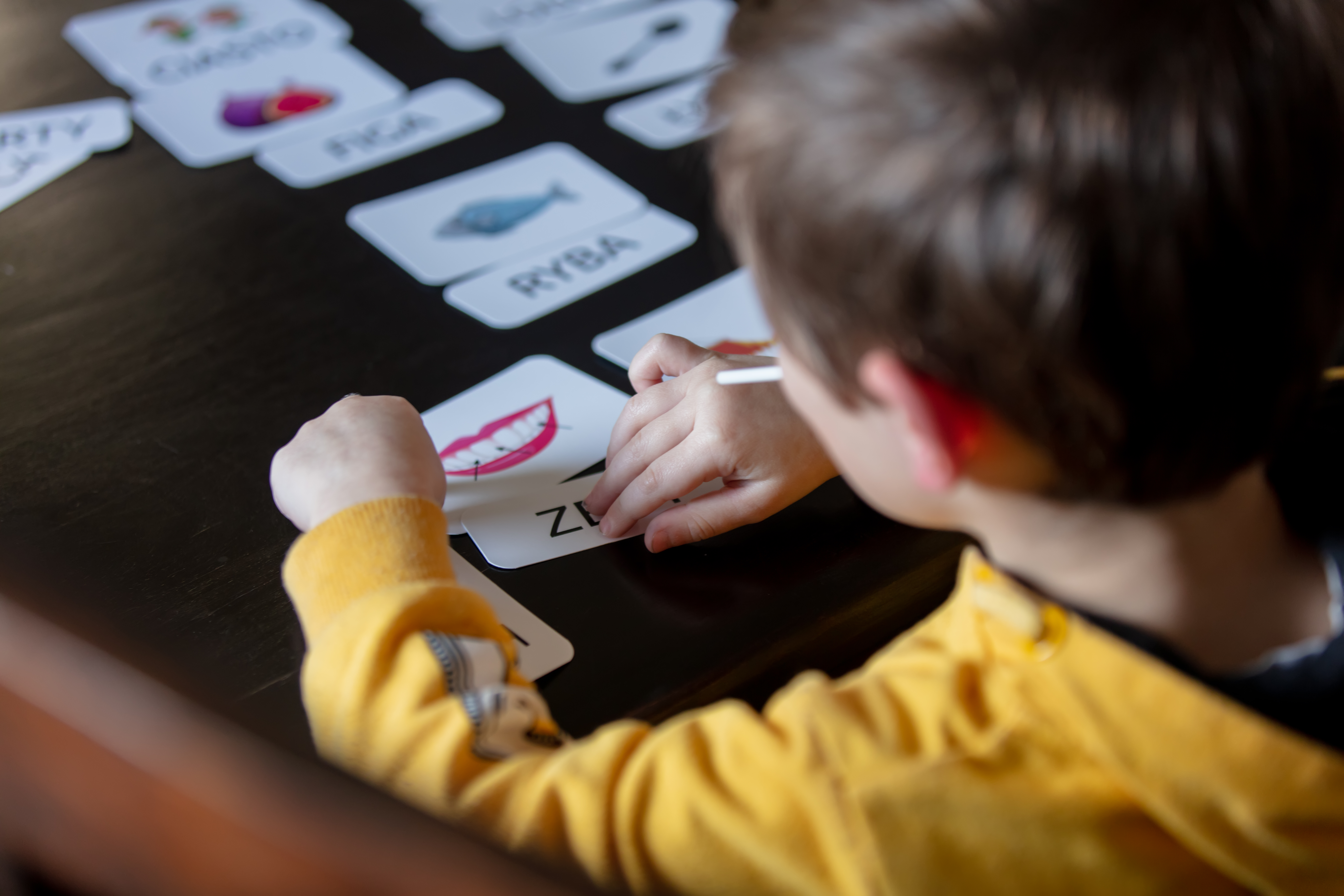
Our clinicians select ABA therapy techniques according to each child’s learning style, goals, and support needs. These practical ABA therapy examples illustrate how certain strategies may be used during sessions:

Positive Reinforcement:
Task Analysis:
Prompting and Fading:
Natural Environment Teaching:
Skill Generalization:

What Are the Potential Benefits of ABA Therapy?
- ABA therapy can support children in communicating needs and preferences.
- Individualized strategies may encourage meaningful participation in everyday social interactions.
- Children can develop practical skills for completing everyday routines independently.
- Therapy may strengthen attention, learning readiness, and participation in activities.
- Children may learn safer alternatives for navigating challenging daily situations.
- Caregivers can learn consistent strategies for supporting skills across environments.
Is ABA Therapy Only for Children With Autism?
Applied Behavior Analysis is a broader science of behavior and is not limited exclusively to autism. However, at BM Behavioral Center, our services on this page focus on children with Autism Spectrum Disorder. Eligibility is considered according to each child’s documentation, needs, and our criteria.
Does BM Behavioral Center Diagnose Autism?
BM Behavioral Center does not diagnose Autism Spectrum Disorder. Families should obtain a diagnostic evaluation from an appropriately qualified healthcare professional. We can provide guidance and physician recommendations. After diagnosis, we review documentation and conduct ABA-specific assessments to help determine appropriate, individualized treatment priorities.

What Happens Before ABA Therapy Begins?

Have a Current Diagnostic Evaluation

Complete the Admissions Process and Review Insurance Coverage

Begin the Intake and Evaluation Process

Begin ABA Therapy With an Individualized Treatment Plan
Frequently Asked Questions About ABA Therapy
1. What Is ABA Therapy?
If you are wondering what ABA is, it is a science-based approach using individualized, measurable strategies to teach meaningful skills supporting communication, safety, participation, independence, and quality of life.
2. What Does ABA Stand For?
ABA stands for Applied Behavior Analysis, a science focused on understanding how behavior and learning interact with the environment and using measurable strategies to support meaningful, individualized development over time.
3. How Does ABA Therapy Work?
ABA therapy begins with assessment, followed by individualized goals and appropriate interventions. Clinicians collect data, review progress, gather caregiver feedback, and adjust teaching strategies according to each child’s changing needs.
4. What Skills Can ABA Therapy Support?
ABA therapy may support functional communication, social participation, learning readiness, play, daily living routines, behavioral regulation, safety, independence, and other meaningful skills selected according to each child’s individual needs and goals.
5. What Is Positive Reinforcement in ABA?
Positive reinforcement means following a useful skill or response with something meaningful to the child. This supportive consequence may increase the likelihood that the child uses that skill again later.
6. Does BM Behavioral Center Diagnose Autism?
No. BM Behavioral Center does not diagnose autism. Qualified outside professionals provide diagnostic evaluations. After diagnosis, we review documentation and conduct ABA assessments to identify skills and individualized treatment priorities.
7. What Happens During an ABA Assessment?
During an ABA assessment, our clinicians may observe behavior, gather caregiver input, and evaluate communication, social, learning, motor, and adaptive skills. Findings guide individualized goals and treatment planning, not diagnosis.
8. How Do I Start ABA Therapy With BM Behavioral Center?
Begin by obtaining a current diagnosis, reviewing insurance requirements, and completing an initial consultation, intake, authorization, and ABA assessment. Then, we develop your child’s individualized treatment plan and begin therapy.
Ready to Explore the Next Step for Your Child?
If your child already has an autism diagnosis and you are considering ABA therapy, our team can answer your questions, review admission requirements, and explain what to expect from the ABA assessment and individualized treatment-planning process.